Search This Blog

Translate

Blog Archive

Middleboro Review 2

NEW CONTENT MOVED TO MIDDLEBORO REVIEW 2

Toyota

Since the Dilly, Dally, Delay & Stall Law Firms are adding their billable hours, the Toyota U.S.A. and Route 44 Toyota posts have been separated here:

Route 44 Toyota Sold Me A Lemon


Showing posts with label GLOBAL CLIMATE STRIKE. Show all posts

Wednesday, November 20, 2019

FOCUS: Bill McKibben | The Climate Science Is Clear: It's Now or Never to Avert Catastrophe


Reader Supported News
20 November 19

"The liberty of the Press is called the Palladium of Freedom, which means, in these days, the liberty of being deceived, swindled, and humbugged by the Press and paying hugely for the deception." - Mark Twain, 1870
You have your own news source, beholden to you. What does it take to preserve it? Precious little.
Marc Ash
Founder, Reader Supported News


If you would prefer to send a check:
Reader Supported News
PO Box 2043
Citrus Hts, CA 95611


Reader Supported News
20 November 19
It's Live on the HomePage Now:
Reader Supported News


FOCUS: Bill McKibben | The Climate Science Is Clear: It's Now or Never to Avert Catastrophe
Bill McKibben. (photo: Wolfgang Schmidt)
Bill McKibben, Guardian UK
McKibben writes: "The one thing never to forget about global warming is that it's a timed test."

Disastrous global heating will soon become irrevocable – but despite politicians’ inaction millions are taking to the streets to fight the planet’s fever

he one thing never to forget about global warming is that it’s a timed test.
It’s ignoble and dangerous to delay progress on any important issue, of course – if, in 2020, America continues to ignore the healthcare needs of many of its citizens, those people will sicken, die, go bankrupt. The damage will be very real. But that damage won’t make it harder, come 2021 or 2025 or 2030, to do the right thing about healthcare.
But the climate crisis doesn’t work like that. If we don’t solve it soon, we will never solve it, because we will pass a series of irrevocable tipping points – and we’re clearly now approaching those deadlines. You can tell because there’s half as much ice in the Arctic, and because forests catch fire with heartbreaking regularity and because we see record deluge. But the deadlines are not just impressionistic – they’re rooted in the latest science.
In the aftermath of the Paris climate accords in 2015, for instance, many researchers set 2020 as the date by which carbon emissions would need to peak if we were to have any chance of meeting the accord’s goals. Here’s an example of the math, from Stefan Rahmstorf and Anders Levermann. Under the most plausible scenario, they wrote, “even if we peak in 2020 reducing emissions to zero within 20 years will be required,” and that is an ungodly steep slope. But if we wait past 2020 it’s not a slope at all – it’s just a cliff, and we fall off it. As the former UN climate chief Christiana Figueres put it when she launched Mission 2020, “Everyone has a right to prosper, and if emissions do not begin their rapid decline by 2020, the world’s most vulnerable people will suffer even more from the devastating impacts of climate change.”
Here’s another way of saying it: the Intergovernmental Panel on Climate Change reported last autumn that if we hadn’t managed a fundamental transformation of the planet’s energy systems by 2030, our chance of meeting the Paris temperature targets is slim to none. And anyone who has ever had anything to do with governments knows: if you want something big done by 2030, you better give yourself a lot of lead time. In fact, it’s possible we’ve waited too long: the world’s greenhouse gas emissions spiked last year, and – given Trump, Bolsonaro and Putin - it’s hard to imagine we won’t see the same depressing thing this year.
Which is why, I guess, it’s a good thing that 2020 is an election year in the US, and that the Democratic party finally seems willing to talk seriously about climate change. If it nominates Sanders or Warren, maybe the kind of aggressive approach that shakes things up is possible. But America is just one country; we also need to pressure our real global government, which has its headquarters not in Washington but in Wall Street. Last year banks increased their already staggering lending to the fossil fuel industry; if that continues there’s no chance of turning this round in time.
If you’re looking for optimism, at least we come into 2020 on a roll. The great climate strikes of this September were the largest demonstration of climate activism in history, with 7 million people in the street. And April 2020 marks the 50th anniversary of Earth Day – it could be a day for an even more massive outpouring.
The planet is running a hideous fever, and the antibodies – all those protesters – are finally kicking in. It’s a race, and we’re behind, and we better start catching up right now.




Friday, October 11, 2019

Climate change conference highlights challenges ahead


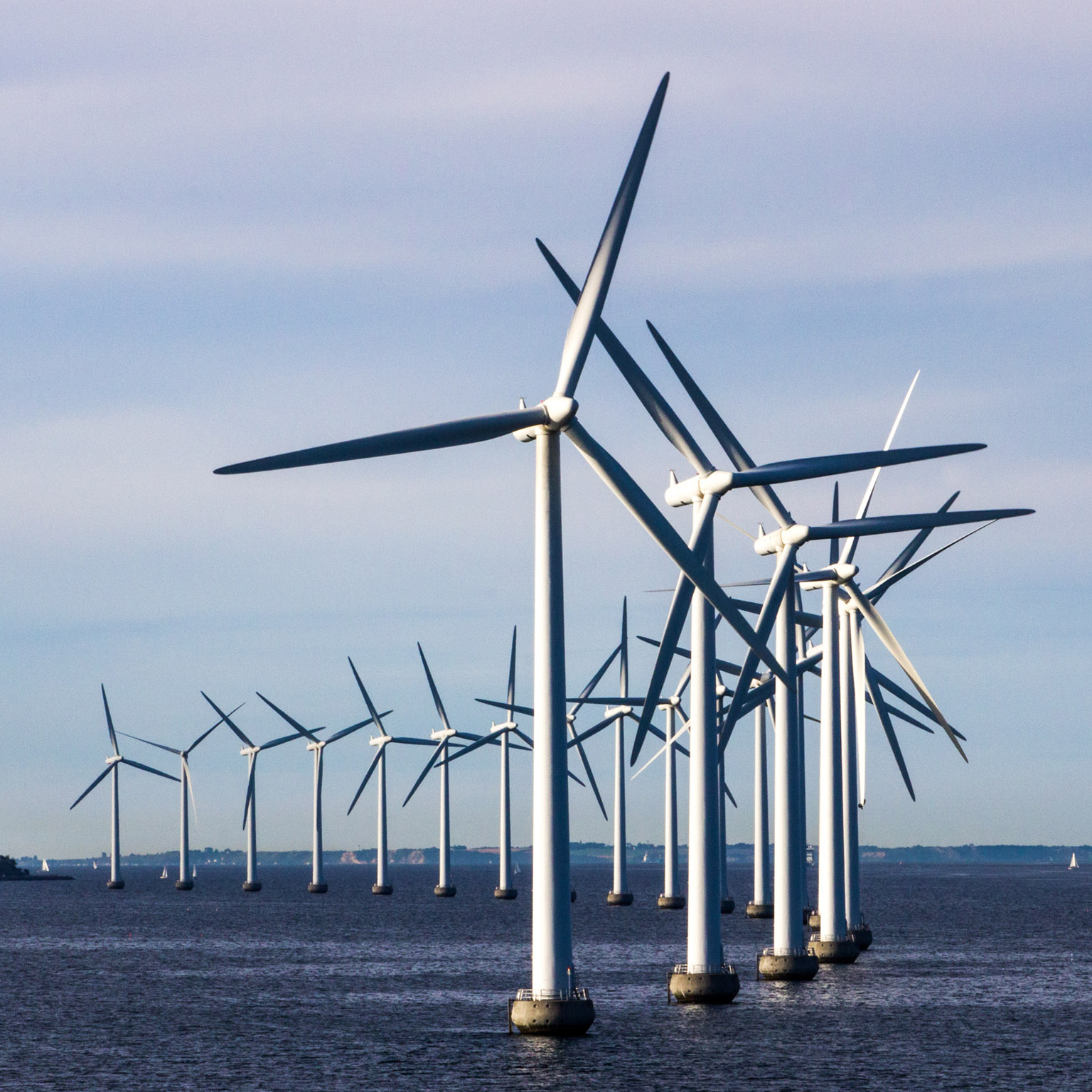
Image result for OFFSHORE WIND1536 × 1536


Climate change conference highlights challenges ahead


By Doug Fraser
Posted Oct 10, 2019

Wind energy, alternative transportation among options offered to curb greenhouse gas emissions
HYANNIS — Weather is not climate, but the conditions Thursday were certainly a stage-setter for a climate change conference in Hyannis.
On the Cape, a multiday nor’easter ground away, chewing up the shoreline and downing tree limbs. Elsewhere, strong dry winds roared over a parched California landscape, and over a million people sat in the dark as Pacific Gas & Electric shut down power in an effort to prevent a repeat of the monster fires that ravaged large portions of the state last year, killing over 70 people. In Colorado, residents exchanged shorts for snowsuits after temperatures dropped 50 degrees in a day.
“I think one of the big differences between today and a couple of years ago is that today, at least three nights a week on all the national news, the lead story is some weather-related issue hitting some part of the United States, including tornadoes on the Cape,” said Sen. Ed Markey, D-Mass., who spoke to the Net Zero Cape & Islands roundtable conference on dealing with climate change in Hyannis Thursday.
Thursday’s gathering was the second annual conference investigating how the region could reduce its carbon footprint to zero. Panels spoke to the goals and realities of various technologies and strategies, including reducing greenhouse gas emissions through offshore wind power, electric vehicles, better mass transit and alternative transportation and renewable energy options like photovoltaics and heat pumps in addressing residential power needs.
“There’s no single answer,” said Steven Tupper, transportation program manager for the Cape Cod Commission.
The state Global Warming Solutions Act of 2008 established the goal of reducing greenhouse gas emissions by 20% from the baseline year of 1990 by 2020, and by at least 80% by 2050. A 10-year progress report released last year said Massachusetts had reduced its greenhouse gas emissions by 21%, meeting the first benchmark.
But obstacles remain as mass transit, particularly the MBTA, hasn’t quite become an alternative to the car, and the state still does not have an offshore wind farm 16 years after Cape Wind sought to become the first in the nation.
Vineyard Wind’s planned wind farm, with 800 megawatts from 84 turbines, could power the Cape & Islands twice over, said Nate Mayo, the project’s manager of development and policy. But it sits in limbo as the federal Bureau of Ocean Energy Management, in a move many decried as politically motivated, decided at the last minute this August to delay permitting at least six months while it studies further impacts.
“We can’t meet any of the (emissions reduction) goals we are talking about without offshore wind,” said Bruce Carlisle, senior director of offshore wind at the Massachusetts Clean Energy Center.
The good news from panelists Thursday was that the state’s wind resources have too much potential, and the industry is too evolved, for the project not to happen. Larger, more efficient turbines and established federal lease areas have helped drive the per kilowatt-hour price down to one-third of the price of the electricity generated by Cape Wind, Mayo said. Plus, he said, offshore wind is no longer an experimental technology. The European offshore wind industry is time-tested, with over 4,000 turbines in service.
“The economics have been turned on their head,” said Mayo, who believes his project will get done irrespective of who is in the White House.
The federal Environmental Protection Agency put the transportation sector as the top emitter of greenhouse gases, just barely edging out electricity generation. Statewide progress toward emissions reductions for vehicles has been hampered by a rise in vehicle miles due to population trends and economic growth, the state’s 2018 progress report concluded.
Larry Chretien, executive director of the Green Energy Consumers Alliance, pointed out that the transportation sector now surpasses electric power generation after the state retired old coal-fired plants and introduced a nine-state cap-and-trade initiative. That resulted in a 40% reduction in emissions from electric power generation since 2009.
Cape Light Compact Administrator Maggie Downey said her agency was looking into ways to encourage low- and moderate-income homeowners to participate in renewable energy programs. High upfront costs to purchase products like solar panels, storage batteries and heat pumps proved a prohibitive bar to those income groups, Downey said, and her agency is in the process of developing a program to underwrite 100% of those costs to 250 low- and moderate-income households.
On the Cape, with tourism and relatively little mass transit, the transportation sector was an even bigger player, at 48 to 50% of emissions, according to Cape Cod Regional Transit Authority Administrator Thomas Cahir. He said some of these emissions could be offset with solar panel installations and encouraging more ridership through education and better route planning.
“With 1.6 million [people] on public transportation on the Cape Cod Regional Transit Authority last year, we took a lot of people out of their cars,” Cahir said.
Tupper said that road design and linking routes with destinations could improve use of alternative transportation like walking and bicycling. Cahir said his agency had studied how to locate stops or make improvements to encourage both walking and cycling to catch a bus. Tupper pointed to multiple road projects coming on line for Route 28 that would add both sidewalks and bike lanes.
Most on the panel held the goal of electrifying not only the mass transit fleet but industrial and residential vehicles as well. State incentives of $35 million helped the residential electric vehicle fleet grow from a little over 3,000 in 2015 to around 14,000 vehicles this year, said Steven Russell, alternative transportation manager with the state Department of Energy Resources. He’s hoping to shift 3,000 state vehicles over to electric vehicles.
As the owner of the country’s largest commuter air service, Dan Wolf, chief executive officer of Cape Air, would also like to be the first in the country to convert to electric planes. But he worries that may be a long time coming given the extended permitting process he’s seen for offshore wind, which is widely considered a proven technology.
“We need to force the federal government to use these technologies,” Wolf said, adding that he worried that all climate change initiatives would fall short if voters let things evolve without a sense of urgency.
“We need to get special interests that are blocking it out of the way,” he said. “This isn’t going to happen without an activist government.”
Markey was hopeful.
“The momentum is definitely on our side,” he said. “These are huge crowds showing up in cities across America (in support of the recent Climate Strike initiative) in a way they didn’t 10 years ago, and with it is coming the political power that will demand the change that is necessary in America.”


Sunday, October 6, 2019

Sanders and Warren Are Transforming How Presidential Campaigns Are Paid For


Reader Supported News
05 October 19

I continue to read, enjoy and learn from RSN articles and cannot believe that so many people utilize this great value and do not support it.
I contribute periodically and admittedly they are small amounts but it is what I can afford and just about everyone can afford "something".
Please don't take and not give back or RSN won't be available to you in the future.
Sandra, RSN Reader-Supporter

If you would prefer to send a check:
Reader Supported News
PO Box 2043
Citrus Hts, CA 95611


Reader Supported News
05 October 19
It's Live on the HomePage Now:
Reader Supported News

Sure, I'll make a donation!

Sanders and Warren Are Transforming How Presidential Campaigns Are Paid For

EDITOR'S NOTE:
This is an interesting piece and it clearly documents how profoundly grassroots funding for campaigns can affect the political landscape in the U.S.

Politico, the publication, and David Siders, the author, include a perfunctory assertion that Joe Biden is still the frontrunner and favorite. They quote a Morning Consult poll to establish that. Morning Consult has been consistently more bullish on Biden's position in the race than other polls.

Most polls show Biden falling back with Elizabeth Warren and Bernie Sanders drawing even. The larger context is that Warren and Sanders' quite similar progressive message dominates the race for the Democratic nomination. That message is the true frontrunner for the democratic nomination. - MA/RSN


The quarterly fundraising reports marked a victory for the progressive wing of the Democratic Party. (photo: BuzzFeed/Getty Images)
David Siders, Politico
Siders writes: "The latest batch of fundraising reports released this week confirmed a new reality of presidential politics: the traditional, big-dollar model of funding a presidential campaign is going the way of landlines and the VCR."
READ MORE


Joel Diamnat checks on a patient during a visit to a free clinic in Solana Beach, California, in 2013. The clinic provides free routine medical care to patients without health insurance, including many undocumented migrants from Mexico who live in the area. (photo: Sandy Huffaker/Getty Images)
The Trump Administration Will Deny Visas to Uninsured, Low-Income Immigrants
Nicole Narea, Vox
Narea writes: "President Donald Trump issued a proclamation Friday night barring immigrants who do not have health insurance and cannot afford to pay medical care costs from getting visas of almost any kind to enter the US."
READ MORE


Activist Greta Thunberg speaks during the strike for a 'Town-Gown Climate Accord' hosted by the Iowa City Climate Strikers, Oct. 4, 2019. (photo: Joseph Cress/Iowa City Press-Citizen)

Iowa Teens Delighted as Greta Thunberg Leads Unexpected Climate Strike
Chris Robinson, Guardian UK
Robinson writes: "Three days prior to Greta Thunberg's surprise visit to Iowa City on Friday, the organizer and local climate activist, Massimo Biggers, a 14-year-old Iowa City high school student, was preparing to strike."
READ MORE

U.S. Border Patrol agents. (photo: Reuters)
Journalist Says a CBP Officer Withheld His Passport Until He Agreed He Writes 'Propaganda'
Hannah Knowles, The Washington Post
Knowles writes: "It took a moment for Ben Watson to realize the officer was not joking."

Walter Shaub, an attorney who served as director of the U.S. Office of Government Ethics until 2017, tweeted that the incident should go to the DHS inspector general for review.
“A customs agent withholding the passport of a journalist until he agrees to say he writes ‘propaganda’ is actionable misconduct, even in Trump’s America,” he said.


READ MORE


Hands typing on a computer keyboard. (photo: hamburg_berlin/Shutterstock)

How the Broadband Lobby Impersonated a Million People to Kill Net Neutrality
Jeremy Singer-Vine and Kevin Collier, BuzzFeed
Excerpt: "Sarah Reeves sat on her couch in Eugene, Oregon, staring at her laptop screen in furious disbelief. She was reading the website of a government agency, where her mother appeared to have posted a comment weighing in on a bitter policy battle for control of the internet. Something was very wrong."
READ MORE


Iraq's anti-government protests first erupted on Tuesday in Baghdad before spreading to other cities. (photo: Hussein Faleh/AFP)


Dozens of Iraqi Protesters Killed as Demonstrations Intensify
teleSUR
Excerpt: "For the past week, wide-scale demonstrations have hit several Iraqi cities as protesters demand economic improvements and the removal of government officials."
READ MORE


A bulldozer preparing the ground for fence replacement near the U.S.-Mexico border. (photo: TSD)

'Outrage': New Video Shows Bulldozers Destroying America's Most Iconic Cacti to Build Trump's Border Wall
Brain Kahn, Gizmodo
Kahn writes: "The Trump administration has run roughshod over environmental laws in a rush to build an unnecessary border wall. And in footage that emerged on Friday, construction efforts are just running roughshod over the environment, period."

The saguaro defines the Southern Arizona landscape. The stately cacti can grow more than three arms—the biggest of which can weigh upwards of six tons—live 150-175 years on average, according to the National Park Service. Despite their prickly appearance, they even sprout flowers that provide a bounty of nectar for desert creatures, including the endangered lesser long-nosed bat that calls Organ Pipe Cactus National Monument home. And of course, they’re a cornerstone for the people who live in the desert or dream of it, too.

Dahl told Earther bulldozers were busy knocking down saguaros and other desert plants and piling them up into slash piles when he visited the park on Tuesday. The destruction took place on the west side of the park in preparation for construction to begin there on a 78-mile chunk of Trump’s wall. Organ Pipe, which runs directly up against Mexico and sits about two hours west of Tucson, already has a variety of barriers in place. They include five miles of fence to keep pedestrians out and another 25 miles of posts that act as vehicle barriers. The latter are visible in the background of the videos and photos Dahl shared with Earther.


The irony is that in a park, all species are generally protected. The Organic Act of 1916, which resulted in the creation of the National Park Service, states that the agency exists to “conserve the scenery and the natural and historic objects and the wild life therein and to provide for the enjoyment of the same in such manner and by such means as will leave them unimpaired for the enjoyment of future generations.” I don’t think mowing down saguaros inside a park’s boundary was quite what the act’s authors had in mind.
That said, there is, of course, some legal wiggle room here. The government has access to what’s called a Roosevelt Reservation, a 60-foot strip of land along the border it can manage for border protection. The saguaros being knocked down are technically within that strip. But even still, under normal circumstances, the actions there would be governed by U.S. laws that include environmental protections and reviews. In the case of the wall being built by the Trump administration, many of those reviews have been waived because the president declared a bullshit national emergency to fast-track construction.
For Dahl, who has been visiting Organ Pipe and the other parks of Southern Arizona for decades (to say nothing of the millions of others who enjoy the region’s protected landscapes), the whole process is a slap in the face. But happening upon the real-time destruction taking place at the border was a whole new experience for him.

“Outrage,” he said, “that’s the appropriate emotion.”


READ MORE

Update My Monthly Donation